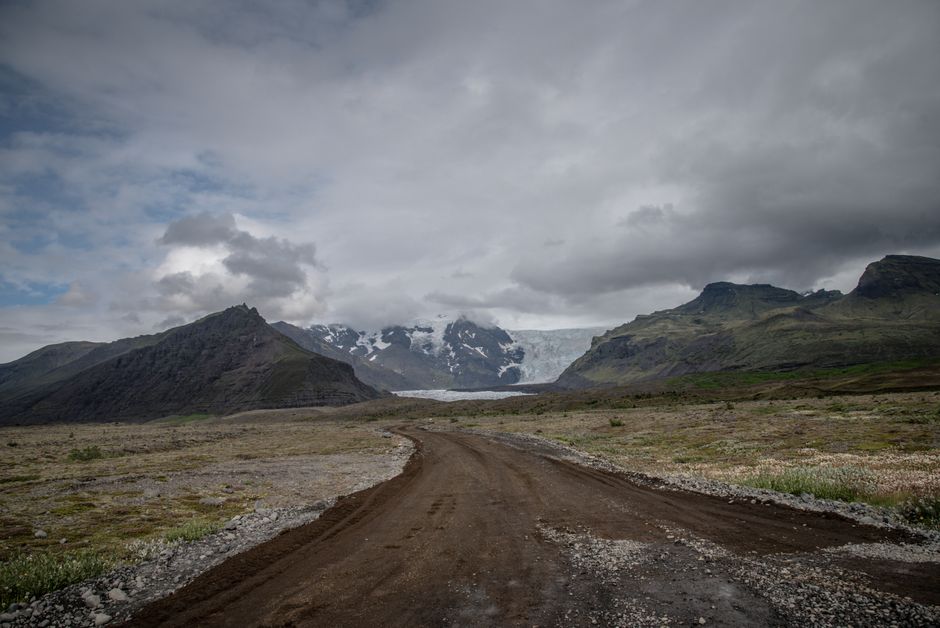
Discovering the Beauty of Patagonia: A Hiker’s Paradise
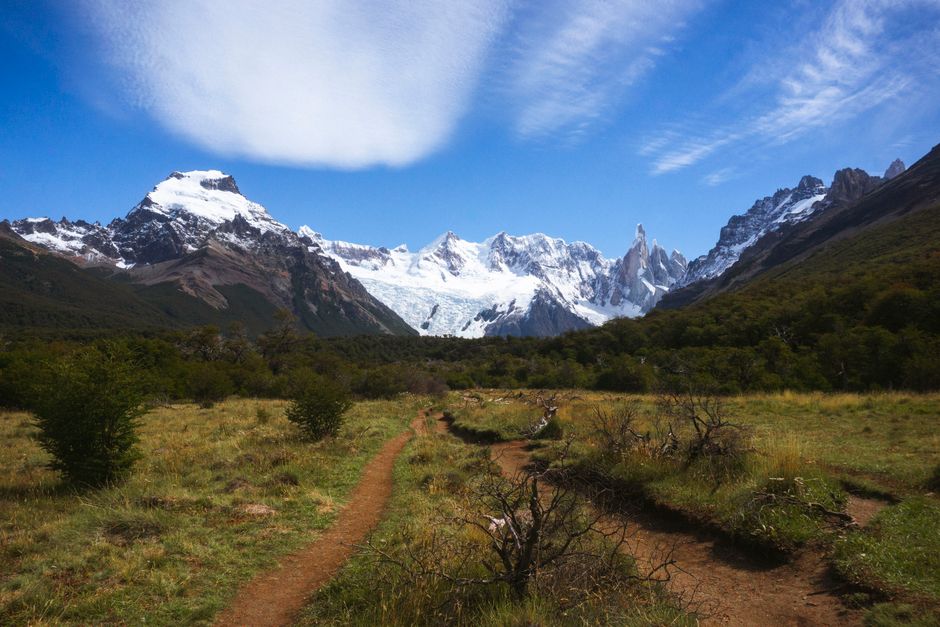
Patagonia, a vast and sparsely populated region at the southern tip of South America, has long captured the imagination of hikers and nature enthusiasts. Its dramatic landscapes, carved by ancient glaciers and wind, offer some of the most awe-inspiring trekking experiences on the planet. For those seeking a deep connection with wild nature, Patagonia presents a unique opportunity to explore a world of jagged peaks, turquoise lakes, and immense ice fields.
This article aims to provide an overview of Patagonia’s hiking potential, focusing on key regions like Torres del Paine in Chile and Los Glaciares in Argentina. It will discuss popular routes, the unique characteristics of the terrain, and the essential gear considerations for a successful expedition. The goal is to inform and prepare prospective trekkers, emphasizing the importance of planning, adaptability, and respect for the environment.
Understanding the scale and variability of Patagonia is crucial. The region’s weather is notoriously unpredictable, with strong winds and rapid changes possible at any time of year. Therefore, proper preparation, both in terms of physical fitness and equipment, is not just beneficial but essential for a safe and rewarding journey. The following sections will delve into specific trails, the geological wonders of the glaciers, and the practical aspects of gear selection, providing a comprehensive guide for the adventurous spirit.
Iconic Hiking Regions and Trails
Patagonia is broadly divided into two main trekking areas: the Chilean side, dominated by the Torres del Paine National Park, and the Argentine side, home to the Los Glaciares National Park. Each offers distinct experiences and challenges, and many hikers choose to explore both. Torres del Paine is known for its spectacular granite peaks, the famous Cuernos, and the W and O trekking circuits. These routes showcase the park’s diverse beauty, from lush valleys to barren mountain passes, and provide access to the base of the iconic towers.
The W trek is a popular choice, typically taking four to five days to cover approximately 80 kilometers. It is well-marked and offers refugios (mountain huts) for accommodation, making it accessible to a wider range of hikers. The O trek, on the other hand, is a full circuit that takes about eight to ten days and ventures into the remote backcountry, offering a more solitary and demanding experience. Both routes present opportunities to witness the Grey Glacier, the French Valley, and the breathtaking sunrise at the base of the towers, but require careful planning in terms of permits and campsite reservations.
On the Argentine side, Los Glaciares National Park is renowned for the Perito Moreno Glacier and the Fitz Roy massif. The area around El Chaltén, the trekking capital of Argentina, offers a network of trails suitable for day hikes and multi-day expeditions. The Laguna de los Tres trail is a classic, leading to a viewpoint directly beneath the towering peaks of Fitz Roy. The Laguna Torre trail offers views of Cerro Torre, another iconic spire, and its glacier. These trails are less regulated than those in Chile, but weather conditions can be equally challenging. Hikers should be prepared for sudden changes and always carry sufficient supplies, as services are more limited.
For those seeking a longer and more immersive experience, the Huemul Circuit, also near El Chaltén, is a challenging four-day loop that crosses glaciers and high passes. It requires excellent navigation skills and glacier equipment, thus being recommended for experienced trekkers. It is essential to research current conditions and obtain up-to-date information before embarking on any of these routes, as trail maintenance and access can vary seasonally.
The Glaciers: Awe-Inspiring Geological Wonders
The glaciers of Patagonia are among the most dynamic and accessible in the world, offering hikers a front-row seat to the powerful forces that shape the landscape. The Southern Patagonian Ice Field, the third-largest ice field outside the polar regions, feeds numerous glaciers, including the famous Perito Moreno, Grey, and Upsala. These massive rivers of ice are constantly moving, and their fronts can calve, sending chunks of ice crashing into the lakes below. This natural spectacle is a major draw, but it also underscores the immense scale and power of these natural systems.
Perito Moreno Glacier, located in Los Glaciares National Park, is particularly notable for its accessibility and its rare advance and retreat cycles. Visitors can view it from a network of walkways, but for a more immersive experience, some treks include ice hiking or kayaking excursions. These activities, however, require specialized equipment and should be undertaken with a certified guide, as glacier terrain is hazardous. Similarly, in Torres del Paine, the Grey Glacier can be viewed from the trekking route or approached via boat tours. Hikers can observe the glacier’s ice blue hues and the icebergs that float in the adjacent lake, a sight that is both humbling and memorable.
Understanding the science behind these glaciers is crucial for appreciating their significance. Glaciers form when snow accumulates over centuries, compacting into dense ice that flows under its own weight. They are sensitive indicators of climate change, and their retreat or advance is studied by scientists. For hikers, this context adds a layer of depth to their observations, transforming a scenic view into a lesson in Earth’s processes. As you journey through Patagonia, you may notice moraines, glacial erratic boulders, and other features that tell the story of the region’s glacial history.
The impact of glaciers extends beyond the visual. They are the source of many rivers and lakes that sustain diverse ecosystems, and their meltwater carries sediments that color the water and shape the habitats. This interconnectedness highlights the delicate balance of the Patagonian environment. Responsible hiking practices, such as staying on designated trails and properly disposing of waste, help minimize human impact, ensuring that these natural wonders remain for future generations.
Essential Gear for a Successful Trek
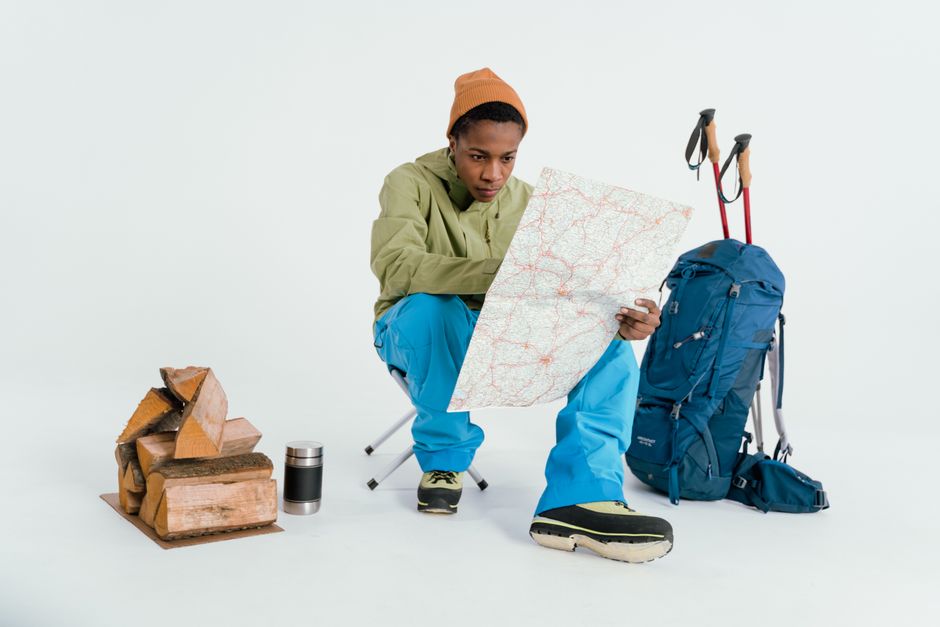
Proper gear selection can make the difference between a comfortable, safe hike and a miserable, potentially dangerous one. Patagonia’s variable weather means that hikers must be prepared for sun, rain, wind, and cold, often within the same day. A layered clothing system is essential, allowing for easy adjustment to changing temperatures. A moisture-wicking base layer, an insulating mid layer, and a waterproof and windproof outer layer are fundamental. It is also wise to include a hat, gloves, and thermal underwear, especially if camping overnight.
Footwear is arguably the most critical piece of equipment. Invest in sturdy, waterproof hiking boots that provide good ankle support and have a sole with reliable traction. Break them in before your trip to avoid blisters. In addition to boots, you will need navigation tools such as a map, compass, and GPS device, as well as a headlamp with extra batteries. Communication devices, such as a satellite messenger, can be a lifesaver in remote areas where cell service is absent.
When selecting a backpack, consider the length of your trek and the amount of gear you’ll carry. A capacity between 40 and 60 liters is suitable for multi-day hikes, with a comfortable hip belt to distribute weight. Pack items in waterproof bags or use a pack cover to keep them dry. A lightweight tent, sleeping bag rated for cold conditions, and a sleeping pad are necessary for camping. For cooking, a portable stove, fuel, and cookware are essential, along with a water filter or purification tablets to treat water from streams and lakes.
The list of essentials also includes a first-aid kit, sun protection (sunscreen, sunglasses, lip balm), insect repellent, and a repair kit for gear. A multi-tool or knife can be invaluable in various situations. Food should be high-energy and easy to prepare, with a focus on dehydrated meals and snacks like nuts and dried fruit. Always carry extra food and water, as your timeline may be affected by weather or unforeseen delays. Remember, the goal is to be self-sufficient while minimizing weight, so choose items that serve multiple purposes where possible.
Given the unpredictable nature of Patagonian weather, it is also essential to have a reliable way to stay dry. A high-quality rain jacket and pants, preferably with taped seams, are non-negotiable. For added warmth and protection, consider a down or synthetic insulated jacket that can be worn under your outer shell. Finally, a sturdy pair of trekking poles can reduce strain on your knees during descents and provide stability when crossing uneven terrain. They also help with river crossings, where extra balance is often needed.
When preparing your gear list, research the specific requirements of your chosen route. Some established trails like the W trek allow you to purchase or rent equipment at refugios, but this is not always the case. For the more remote O trek and Huemul Circuit, you must carry everything yourself. Additionally, regulations in national parks may require you to carry certain items, such as bear canisters (though not for Patagonia, but good to check) or to use specific campsites. Always check the latest park regulations before your departure, and consider the season’s specific conditions, such as snow and ice on higher passes.
In addition to physical gear, mental preparedness and practical skills are paramount. Familiarize yourself with basic wilderness safety, including how to treat blisters, recognize signs of hypothermia and heat exhaustion, and navigate in poor visibility. Inform someone of your itinerary and expected return time, and check in with park rangers when possible. By balancing thorough preparation with flexibility and respect for the natural environment, you set the stage for a truly enriching hiking experience.
Patagonia is not a place to be conquered, but to be experienced with humility and awe. Its wildness demands respect, and its beauty rewards those who approach it with patience and preparation.
Practical Considerations and Cultural Context
Venturing into Patagonia requires attention to logistical details beyond the trail itself. Transportation to remote trailheads can be challenging, and it is advisable to plan your route to and from parks well in advance. Buses connect major towns and park entrances, but services can be infrequent and subject to weather disruptions. Many hikers choose to base themselves in towns like Puerto Natales or El Calafate, which serve as gateways to the national parks and offer services such as gear rental, shuttle services, and guided tours. Accommodation options range from hostels and hotels to camping, with reservations strongly recommended during peak season, which runs from October to March.
The cultural context of Patagonia adds another layer to the experience. The region is shaped by the traditions of gauchos, indigenous Mapuche and Tehuelche communities, and a history of exploration. Engaging with local customs, trying regional cuisine, and learning about the history of the land can deepen your understanding and appreciation. The people of Patagonia are known for their resilience and hospitality, and interacting with them can offer insights into a lifestyle that is closely tied to the land.
From a logistical standpoint, it is essential to consider currency and payment methods, as some remote areas may not accept credit cards. The official currencies are the Chilean Peso and Argentine Peso, and while US dollars are sometimes accepted, it is best to have local currency on hand. Internet access is limited in rural areas, so download necessary maps and documents before leaving major cities. Having physical copies of permits, reservations, and maps is prudent.
Environmental stewardship is a fundamental aspect of trekking in Patagonia. The parks enforce strict regulations to protect the delicate ecosystem. This includes packing out all trash (trash), minimizing campfire use (though often forbidden), and respecting wildlife. You may encounter guanacos, foxes, condors, and possibly pumas, but these animals should be observed from a distance and never fed. By adhering to Leave No Trace principles, you contribute to the preservation of this pristine environment and ensure that it remains a paradise for future hikers.
Regarding health and safety, it is advisable to have travel insurance that covers emergency medical evacuation, as rescue services in remote areas can be expensive and slow. Carry a comprehensive first-aid kit and know how to use each item. Altitude is generally not a concern, as most treks are below 3,000 meters, but the weather is the primary hazard. Strong winds can knock you off balance, and sudden snowfall can occur even in summer. Always check weather forecasts and heed warnings from park officials. If you are trekking independently, consider hiring a local guide for the more technical sections, such as glacier crossings, for added safety and knowledge.
The planning phase is as much a part of the adventure as the hike itself. It involves decisions about gear, routes, and contingencies. Many resources are available, from guidebooks and online forums to park official websites. Engaging with the hiking community can provide valuable first-hand insights, but always verify information from official sources. A well-prepared hiker is better equipped to enjoy the unexpected wonders that Patagonia presents, turning challenges into cherished memories.
A successful trek is not measured by reaching a destination, but by the journey’s quality—the moments of awe, the challenges overcome, and the respect for the wild that endures long after the trail ends.
In summary, Patagonia offers a hiking experience unlike any other, combining stunning natural beauty with demanding conditions. Whether you choose the iconic W trek, the remote O circuit, or the rugged Huemul loop, preparation is key. This includes understanding the routes, respecting the power of the glaciers, and equipping yourself with appropriate gear. By doing so, you fully immerse yourself in this hiker’s paradise, allowing the rugged landscapes and majestic ice to leave an indelible mark on your soul.